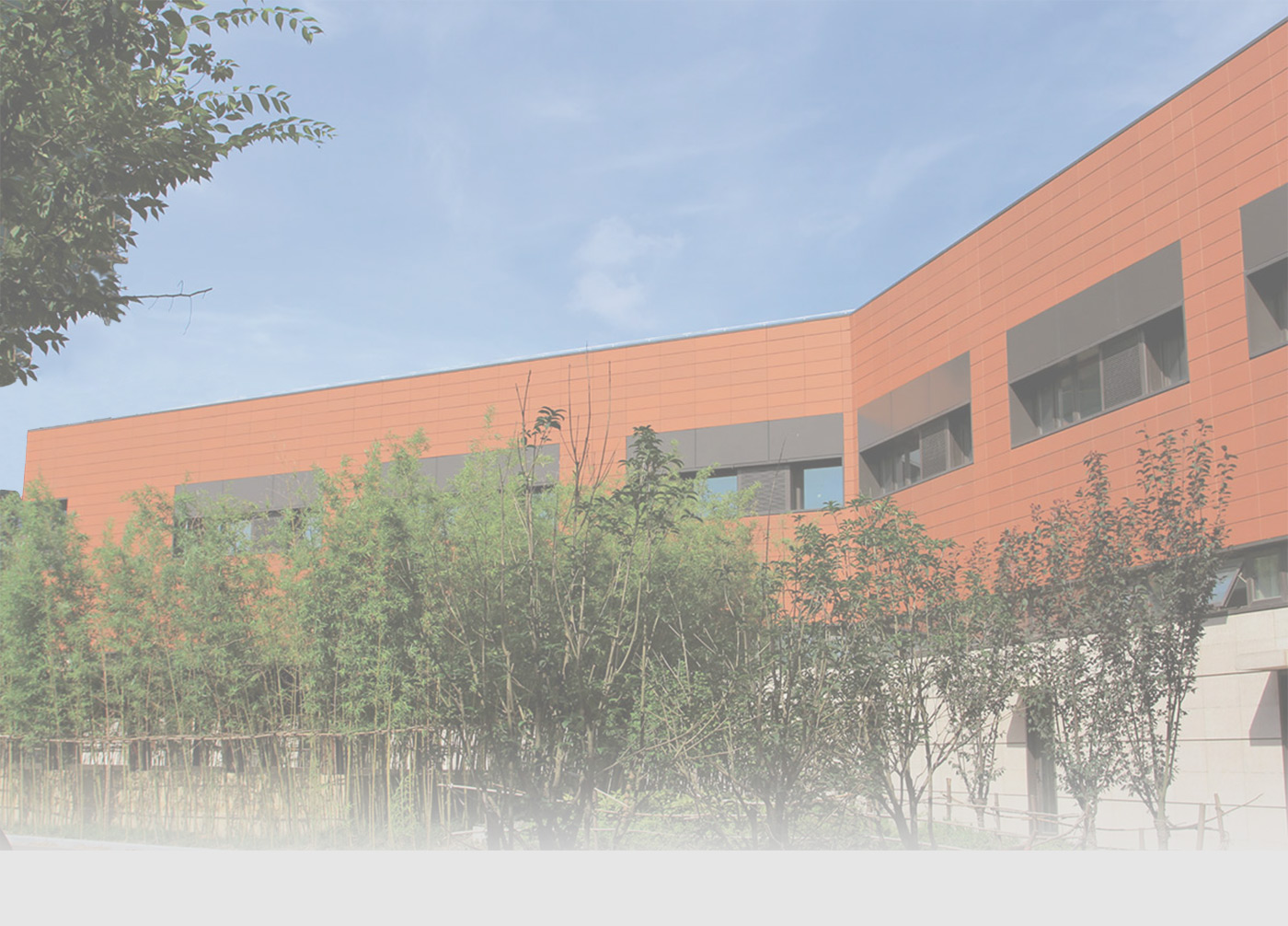




In contemporary hospitality architecture, facade design has evolved far beyond surface treatment. It has become a primary tool for shaping spatial identity, mediating scale, and translating cultural references into built form. The Tongguan Kiln Tourist Resort Lijing Hotel in Changsha offers a compelling study in how material rhythm and architectural articulation can define a large-scale resort within a historic cultural setting.
Rather than relying on symbolic ornament, the project adopts a material-driven approach, allowing proportion, layering, and surface depth to communicate continuity with place. The result is an architectural envelope that feels both grounded in tradition and unmistakably modern.

Composing Scale Through Facade Articulation
Resort hotels often face a fundamental architectural challenge: how to manage visual scale across long elevations without overwhelming the surrounding context. At Tongguan Kiln, this challenge is addressed through a carefully modulated facade rhythm.
The building mass is broken down into layered volumes, with vertical segmentation used to establish a readable cadence across the elevation. This approach reduces perceived bulk while reinforcing a sense of order and hierarchy—an essential quality for architecture situated within a culturally sensitive environment.

Terracotta as an Architectural Medium
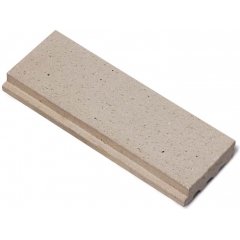
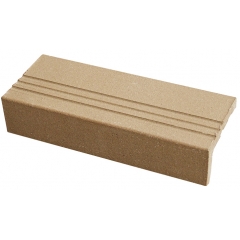
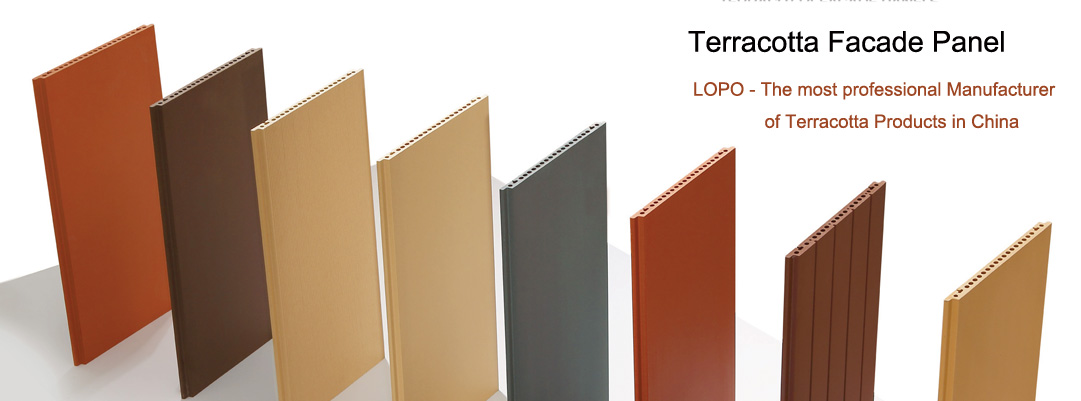
Central to the facade strategy is the use of terracotta systems manufactured by LOPO Terracotta Panel Corporation. Applied as LOPO Terracotta Panel assemblies, including Terracotta Facade Panels, Clinker Panel solutions, and Terracotta Wall Panel configurations, the material functions not merely as cladding, but as a compositional element.
The terracotta Terracotta Cladding and Terracotta Rainscreen systems introduce a subtle texture and matte surface quality that softens the building’s visual presence. Their restrained color palette—anchored in warm greys and muted earth tones—allows the architecture to resonate with traditional tiled roofs and stone structures found throughout the Tongguan Kiln cultural area.

Vertical Emphasis and Shadow Play
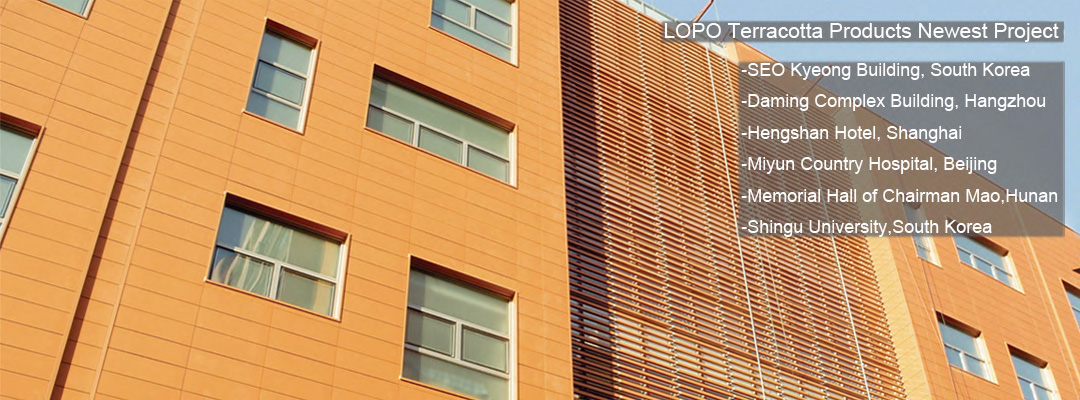
Vertical terracotta elements are used strategically to accentuate height and proportion. Through consistent spacing and alignment, these elements create a visual rhythm that guides the eye upward, counterbalancing the horizontal extent of the hotel complex.
As daylight shifts, the facade reveals varying layers of shadow and depth. This dynamic quality lends the building a sense of movement and temporality—an architectural response well aligned with the experiential nature of resort environments.
Integrating Shading into the Architectural Language
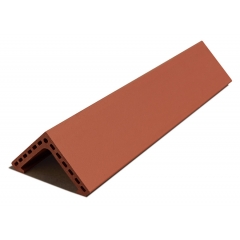
Solar control is treated as an integral component of facade expression rather than an applied accessory. LOPO Terracotta Baguette systems, including Terracotta baguette sunscreens and Terracotta sunscreens, are embedded within the elevation to regulate light while reinforcing material continuity.
In selected facade zones, Terracotta Louvers, Terracotta Fins, and Clay Louvers introduce an additional layer of articulation. These elements mediate between interior and exterior, filtering daylight and framing views while contributing to the building’s overall depth and legibility.

Detailing, Modularity, and Precision
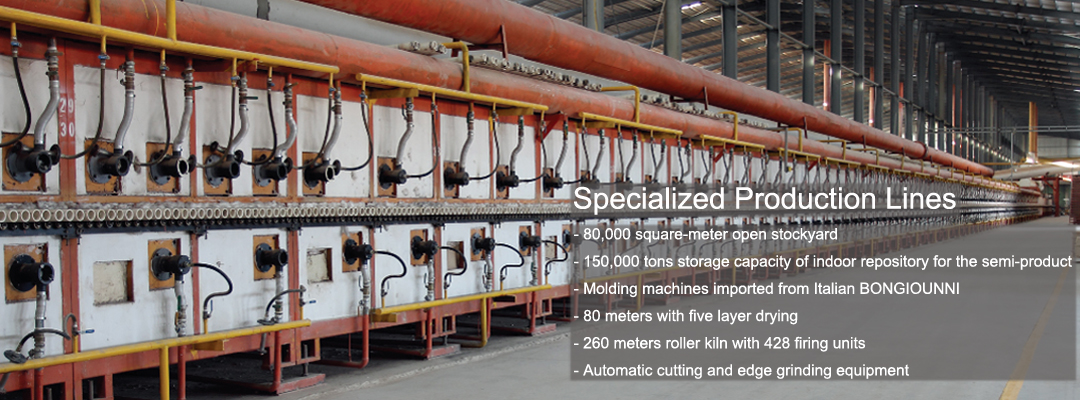
From a detailing perspective, the project benefits from the modular logic of dry-hanging terracotta systems. Panel dimensions and joint alignments are carefully coordinated to maintain consistency across varied facade conditions, including recessed windows, corners, and transitional zones.
This precision allows the architecture to maintain a coherent visual language across multiple building wings, despite differences in orientation and program. The result is a facade system that feels intentional and resolved at both macro and micro scales.
A Contemporary Interpretation of Place
The architectural envelope of the Tongguan Kiln Tourist Resort Lijing Hotel does not attempt to replicate historical forms. Instead, it abstracts and reinterprets the material essence of ceramic culture through contemporary construction techniques.
By allowing terracotta to function as both material and narrative device, the project demonstrates how facade design can bridge cultural memory and modern hospitality requirements. It offers a model for resort architecture that is expressive without being literal, and contextual without being nostalgic.
Further information on terracotta facade and shading systems can be explored at LOPO Terracotta Panel, including terracotta panel solutions and terracotta baguette and louver systems.
Additional context regarding the Tongguan Kiln cultural destination is available via this link.
